How Perforated Sheets Support Better HVAC Airflow
A well-designed HVAC system needs more than powerful fans, ducts, and cooling equipment. Every component that air passes through can affect how efficiently the system performs. Perforated sheets for HVAC are one such component. They help support airflow, ventilation, air distribution, equipment protection, and, in some applications, noise control.
From air diffusers and ceiling grilles to filter frames, intake screens, fan covers, and internal duct panels, perforated metal sheets can be used in different parts of an HVAC system. The right choice depends on factors such as hole size, perforation pattern, open area, material, sheet thickness, and the operating environment.
In this guide, we will explain how perforated sheets are used in HVAC applications, how they influence airflow, and what to consider when selecting the right product for a project.
What Are Perforated Sheets Used for in HVAC Systems?
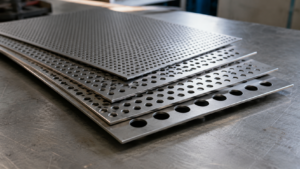
Perforated sheets are flat metal panels manufactured with a series of openings. These openings can be round, square, slotted, or produced in other patterns according to the application. The size, spacing, and arrangement of the holes can be customised to meet different performance requirements.
In HVAC systems, perforated metal sheets for HVAC applications can be used wherever air needs to pass through a metal surface. They can also provide protection, support, or coverage while allowing ventilation to continue.
Common applications include:
- Air diffusers
- Ceiling grilles
- Ventilation panels
- Duct liners
- Filter frames
- Air intake screens
- Exhaust panels
- Fan covers
- Motor guards
- Equipment enclosures
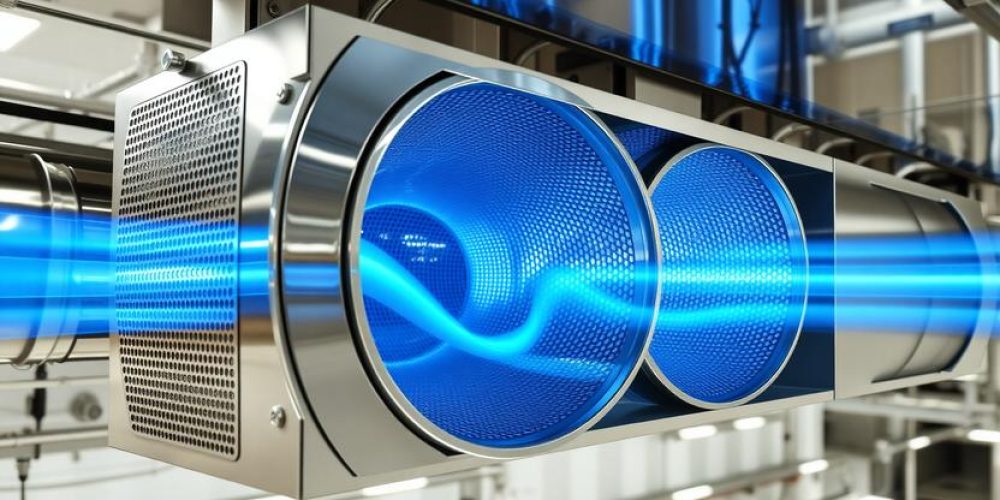
The main purpose of a perforated sheet in these applications is to provide a controlled opening for air movement. Instead of using a completely solid panel, a perforated sheet provides multiple openings that allow air to pass through the surface.
How Do Perforated Sheets Support HVAC Airflow?
The design of a perforated sheet can influence how air moves through an HVAC component. The result depends on several factors, including the percentage of open area, hole size, perforation pattern, air pressure, and the requirements of the HVAC system.
Open Area Allows Air to Pass Through
One of the most important factors in perforated sheet ventilation is the open area of the sheet. Open area refers to the percentage of the total sheet surface occupied by holes.
For example, a sheet with a larger amount of open space provides more area for air to pass through. A sheet with a smaller open area contains more solid metal and may provide greater resistance to airflow.
This is why perforated sheet open area for airflow needs to be considered during the design and selection process. The correct open area depends on the required air volume, system pressure, air velocity, and the specific HVAC application.
The open area should not be selected simply because a higher percentage appears to provide better airflow. The sheet must be selected according to the requirements of the complete system.
Hole Size Influences Air Movement
Hole size is another important factor when selecting perforated sheets for HVAC applications.
Smaller holes can help create a more distributed airflow through a panel, depending on the design and pressure conditions. Larger openings may allow greater air passage through each individual opening and may be suitable for applications that require higher-volume ventilation.
The right hole size depends on the purpose of the component. A decorative ceiling grille may have different requirements from an industrial ventilation panel or an equipment guard.
Perforation Patterns Affect Air Distribution
The arrangement of holes across the sheet also matters. Common patterns include round holes arranged in staggered or straight rows, square openings, and slotted perforations.
A staggered pattern can provide a high level of open area while maintaining a regular distribution of openings across the sheet. The appropriate pattern depends on the required airflow, strength, appearance, and application.
For this reason, perforated metal panels for airflow should be selected according to the actual application rather than based only on the appearance of the pattern.
Perforated Sheets Can Provide Airflow and Protection
In many HVAC applications, a panel needs to do two things at the same time. It needs to allow air to pass through, while also providing a physical barrier or protective covering.
A perforated sheet can help achieve this balance. It can cover an opening, protect equipment, or support a component without completely blocking ventilation.
What Are the Main HVAC Applications of Perforated Sheets?
Air Diffusers and Ceiling Grilles
One of the most familiar uses of perforated sheets is in air diffusers and ceiling grilles.
These components distribute conditioned air into offices, commercial buildings, hospitals, hotels, industrial spaces, and other facilities. The openings in the panel help air move through the surface and distribute it into the surrounding space.
The design of the diffuser or grille depends on the required airflow, air velocity, appearance, and installation requirements.
HVAC Ventilation Panels
HVAC ventilation panels can be used to cover openings where air needs to enter or leave a system or enclosure.
A perforated panel allows air to pass through while providing a structured metal surface. These panels can be designed according to the required dimensions, material, thickness, and perforation pattern.
They may be used in equipment enclosures, ventilation openings, cooling systems, and other applications where airflow is required.
Duct Liners and Internal Panels
Perforated sheets can also be used as internal panels in duct systems.
In some applications, perforated panels are installed with acoustic materials to help manage noise produced by moving air and HVAC equipment. The perforations allow sound energy to interact with the acoustic material behind the panel.
The design of the complete duct system is important, as the performance depends on the overall construction and materials used.
Fan Covers and Motor Guards
HVAC fans and motors need adequate ventilation to release heat. A completely solid cover can restrict airflow and may prevent heat from escaping efficiently.
Perforated sheets can be used as fan covers and motor guards because they allow air movement while providing a physical barrier around equipment.
This can help protect components from accidental contact and larger debris while maintaining ventilation around the equipment.
Filter Frames and Intake Screens
At the air intake side of an HVAC system, perforated sheets can be used in filter frames and screening applications.
The sheet can provide structural support while allowing air to move through the filter or intake area. The design should consider the required airflow and the pressure drop created by the complete filter assembly.
Why Does Open Area Matter in HVAC Applications?
Open area is one of the most important specifications to consider when selecting a perforated sheet for ventilation.
It describes how much of the sheet surface consists of openings. The remaining area is solid metal.
A lower open area means there is more solid material across the sheet. A higher open area means there is more space for air to pass through.
Lower Open Area
A lower open area may provide more solid coverage, but it can also create greater resistance to airflow depending on the application.
Medium Open Area
A medium open area can provide a balance between air passage and the strength of the sheet.
Higher Open Area
A higher open area provides more space for air to pass through. However, the correct selection still depends on the requirements of the HVAC system.
The open area should be selected based on factors such as air volume, pressure, velocity, panel size, and the intended use of the perforated sheet.
For technical HVAC projects, the required specifications should be confirmed according to the system design rather than selected based only on a general percentage.
How to Choose the Right Perforated Sheets for HVAC
Selecting the right sheet requires more than choosing a metal panel with holes. The product should match the operating conditions and performance requirements of the project.
Choose the Right Material
Common materials used for HVAC-related perforated sheets include:
- Galvanised steel
- Aluminium
- Stainless steel
- Mild steel, depending on the application and required finish
Galvanised steel can provide strength and corrosion protection for many standard applications.
Aluminium is lightweight and offers good natural corrosion resistance. It can be suitable for applications where weight and corrosion resistance are important.
Stainless steel is often selected for demanding environments where corrosion resistance, hygiene, and durability are important.
The right material depends on the location, moisture exposure, temperature, chemical exposure, cleaning requirements, and structural needs of the application.
Select the Correct Hole Size
The hole size should be selected according to the purpose of the panel.
A ventilation panel, air grille, equipment guard, and filter frame may each require different specifications.
The required airflow, level of protection, appearance, and strength should all be considered before finalising the hole size.
Consider the Perforation Pattern
The perforation pattern can affect the distribution of openings across the sheet.
Round holes, square holes, and slotted openings are common options. A staggered round hole pattern is also widely used in different perforated sheet applications.
The best pattern depends on the specific project requirements.
Choose the Correct Sheet Thickness
Sheet thickness affects the strength, weight, rigidity, and durability of the component.
A sheet that is too thin may flex or vibrate in certain applications. A sheet that is unnecessarily thick may add weight and cost without providing a useful performance benefit.
The correct thickness depends on the size of the panel, installation conditions, pressure, support structure, and application.
Consider the Required Open Area
The required open area should be considered alongside the airflow requirements of the system.
A perforated sheet supplier or manufacturer may be able to help with available material options, hole patterns, dimensions, and custom specifications.
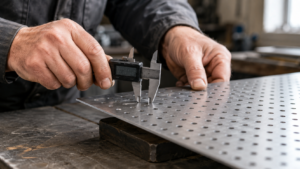
Check the Required Dimensions
HVAC projects often require specific panel dimensions.
Before ordering, confirm:
- Sheet length
- Sheet width
- Thickness
- Hole size
- Hole pattern
- Open area
- Material
- Surface finish
Custom perforated sheets can be useful when standard sheet sizes do not match the requirements of a project.
Perforated Metal Sheets vs Solid Metal Panels for HVAC
The choice between a perforated sheet and a solid metal panel depends on the purpose of the component.
| Feature | Perforated Metal Sheets | Solid Metal Panels |
|---|---|---|
| Air passage | Allows air through openings | Blocks air unless openings are added |
| Ventilation | Suitable for ventilation applications | Requires separate vents or openings |
| Equipment protection | Can provide coverage and protection | Can provide solid coverage |
| Custom perforation | Hole size and pattern can be selected | No perforation |
| Airflow control | Can be influenced by open area and pattern | Limited without additional openings |
When an application requires both metal coverage and air passage, perforated sheets can be a suitable option.
If you are comparing perforated metal with another popular metal option, read our guide on comparing perforated metal and expanded metal to understand their key differences, applications, and benefits.
Benefits of Using Perforated Metal Panels for Airflow
Supports Air Movement
The openings in a perforated sheet allow air to pass through the panel. The final airflow performance depends on the design of the complete system.
Provides Equipment Protection
Perforated panels can cover equipment openings while maintaining ventilation.
Offers Material Flexibility
Different materials can be selected according to the environment and performance requirements.
Can Be Customised
Perforated sheets can be manufactured in different dimensions, thicknesses, hole sizes, and patterns.
Supports Different HVAC Applications
From air grilles and ventilation panels to equipment guards and intake screens, perforated sheets can be used in a range of applications.
Common Mistakes When Choosing Perforated Sheets for HVAC
Choosing the Wrong Open Area
Selecting a sheet without considering airflow requirements can affect the performance of the application.
Ignoring the Operating Environment
A material suitable for a dry indoor environment may not be the right choice for a humid, coastal, chemical, or industrial location.
Selecting the Wrong Thickness
A sheet that does not provide sufficient rigidity may flex or vibrate in certain applications.
Focusing Only on Appearance
The appearance of the perforation pattern is important in some applications, but performance requirements should come first.
Not Confirming Custom Requirements
Before placing an order, confirm the required material, dimensions, thickness, hole size, pattern, and surface finish.
Choosing a Supplier Without Checking Capabilities
If a project requires custom dimensions or a non-standard pattern, choose a supplier or manufacturer that can meet the actual specification.
Choose the Right Perforated Sheets for Your HVAC Application
The right perforated sheet can support airflow, ventilation, equipment protection, and the long-term performance of an HVAC component. However, the correct product depends on more than just the presence of holes in a metal sheet.
Open area, hole size, perforation pattern, material, thickness, dimensions, and surface finish should all be considered before selecting a product.
If you are looking for perforated sheets for HVAC applications, discuss your project requirements with an experienced supplier. A suitable manufacturer or supplier can help you identify the right material, perforation pattern, sheet thickness, and dimensions for your application.
For custom requirements, Get a Qoute contact Sudharsun Traders to discuss your perforated sheet requirements for HVAC, ventilation, airflow, and related industrial applications.
Frequently Asked Questions
How do perforated sheets improve airflow in HVAC systems?
What is the open area percentage, and why does it matter?
What materials are used for perforated sheets in HVAC applications?
- Galvanised steel: Standard commercial and residential HVAC applications.
- Aluminium: Ceiling diffusers and corrosion-resistant applications.
- Stainless steel: Hygiene-critical environments such as hospitals and food processing facilities.