A Fresh Look at Perforated Metal Sheets in Modern Design
Perforated metal sheets, once relegated to industrial applications, have found a remarkable resurgence in modern design. Their unique combination of functionality and aesthetic appeal makes them a go-to choice for architects and designers looking to add a touch of innovation to their projects.
This article walks through where perforated metal sheets came from, how designers use them today, and what to check before you order. You will also find practical tips on patterns, finishes, and common problems, so you can plan your next project with fewer surprises.
Properties and Advantages of Perforated Metal Sheets:
Perforated metal sheets in Coimbatore are crafted from various materials such as stainless steel, aluminum, or brass, offering a durable and flexible solution for design challenges. Their key advantages include longevity, adaptability, and a striking visual presence.
Each material brings its own strengths. Stainless steel handles moisture and heavy wear, aluminum is light and easy to install, and brass adds a warm tone that deepens with age. The thickness of the sheet and the size of the holes also change how strong and how open the panel feels.
Traditional Uses in Architecture:
Historically, perforated metal sheets have been integral to architectural masterpieces. From ancient structures to iconic modern buildings, architects have utilized these sheets to play with light, create dynamic patterns, and enhance structural integrity.
Long before they appeared on building facades, perforated sheets did quiet work in factories and workshops. They screened grain, filtered liquids, and let air pass through machinery guards. Designers noticed that the same holes that solved a technical problem could also throw beautiful patterns of light and shadow.
Modern Design Trends:
In contemporary design, perforated metal sheets have transcended their utilitarian roots. Architects and designers now leverage them to achieve a delicate balance between form and function, introducing an element of sophistication and modernity to various spaces.
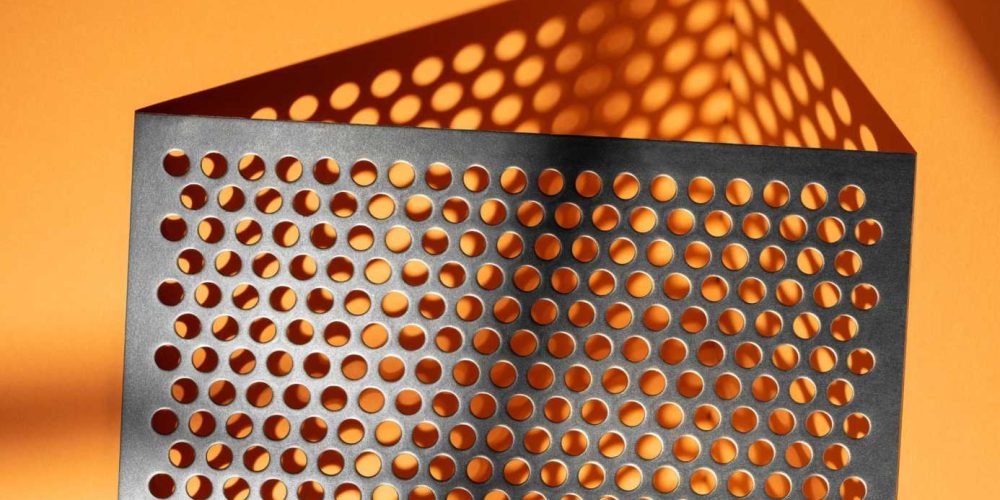
Some of today’s most popular looks use gradient patterns, where hole sizes change slowly across a panel to create a fading or image-like effect. Others place LED lighting behind the sheet so the pattern glows at night. Finishes have also expanded, with matte powder coats, anodized colors, and brushed metals now easy to specify.
Innovative Applications:
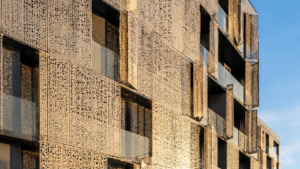
The versatility of perforated metal sheets is showcased in a myriad of applications. From interior design elements like room dividers and lighting fixtures to outdoor installations like façade cladding and garden screens, these sheets offer an elegant solution for both practical and aesthetic purposes.
Perforated sheets also work well where sound and heat matter. Behind a perforated ceiling panel, acoustic material can absorb echo in offices, restaurants, and auditoriums. On a building exterior, a perforated screen can soften harsh sunlight while still letting in daylight and a view.
Environmental Benefits:
Beyond their visual appeal, perforated metal sheets contribute to sustainable design practices. Their ability to regulate light and airflow enhances energy efficiency, aligning them with the growing demand for eco-friendly construction materials.
Recycling adds to the story. Steel and aluminum are widely recycled, so offcuts and old panels can return to the material cycle instead of ending up in landfill. Because the metal is durable, a well-made panel can also last for many years, which reduces the need for frequent replacement. Aluminum is highly recyclable, so old panels and offcuts can be melted down and used again.
Case Studies:
Real-life examples abound, demonstrating the success of perforated metal sheet applications. Notable projects, such as [Project A], [Project B], and [Project C], highlight the adaptability and transformative power of these sheets in diverse environments.
When you write up your own examples, keep the details specific. For each project, note the goal, the sheet material and thickness, the hole pattern, and the result the client saw. A short before and after comparison or a photo of the finished space makes the example far more convincing than a general description.
Customization Options:
One of the key attractions of perforated metal sheets lies in the vast array of customization options. Designers can choose from an extensive range of patterns, shapes, and sizes, allowing for the creation of truly bespoke designs that reflect individual tastes and project requirements.
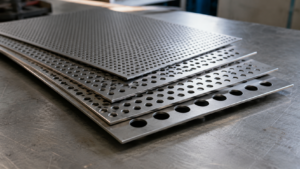
Hole shape and layout change the look more than most people expect. Round holes feel soft and classic, square holes look sharp and modern, and slotted or hexagonal patterns add rhythm. The open area percentage, which is the share of the sheet that is empty, decides how much light, air, and privacy the panel offers.
Tips for Architects and Designers:
Incorporating perforated metal sheets effectively requires thoughtful consideration. This section provides practical tips for architects and designers, such as understanding the impact of different patterns on lighting and creating synergy between perforated elements and overall design themes.
Ask for a sample before you finalize the design, and hold it up in the actual space. Daylight, artificial light, and viewing distance can all change how a pattern reads. It also helps to speak with your fabricator early, since they can suggest sheet sizes and hole layouts that reduce waste and keep costs in check.
Challenges and Solutions:
While perforated metal sheets offer numerous advantages, challenges may arise. This section addresses common issues and provides solutions, ensuring that designers can harness the benefits of perforated metal sheets without compromising on functionality or aesthetics.
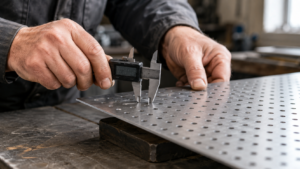
Thin sheets can flex or ripple if the frame does not support them well, so match the thickness to the panel size and mounting method. In coastal or humid areas, choose stainless steel or a protective coating to prevent corrosion. Ask the manufacturer to deburr the cut edges so the panels are safe to handle during installation.
Future Trends:
As technology and design trends evolve, so too will the applications of perforated metal sheets. This section explores emerging trends, from smart perforated surfaces that respond to environmental conditions to the integration of sustainable practices in manufacturing processes.
Digital design tools are pushing the material even further. With parametric software and precision laser or CNC cutting, designers can generate complex, one-of-a-kind patterns and send them straight to production. Expect to see more panels made for a single building instead of chosen from a standard catalog.
Bringing Perforated Metal Sheets Into Your Next Project
Perforated metal sheets have come a long way from factory floors to façades, ceilings, screens, and furniture. They give designers control over light, airflow, privacy, and style, all in a material that lasts for years and can be recycled at the end of its life. That mix of beauty and practical strength is why they keep showing up in modern design.
The best results start with a few smart choices. Pick the right material, hole pattern, and open area for the space, and check a sample in real light before you commit. A good manufacturer can also guide you on thickness, finish, and sheet size, so your design looks great and is easy to install.
If you are ready to start your next project, share your drawings and requirements and request a free quote from Sudharsun Traders.